Executive AI education and strategy

Executive AI Program

Six weeks, your context, a real alpha.

You run a function. The licenses are there. Some version of a mandate is there. What is missing is a way to build it, prove it, and defend it.

You leave with a recommendation you have already defended once, and something that runs behind it.

Founders cohort, five seats, October 2026. Led by Ashley Stephens and Hemash Bhatti.

The sequence

One workflow from your business, worked from selection to a defended recommendation. One step per week. You do the work; we teach, review, and push.

  1. 01

    Pick the workflow.

    One process your team runs today, where you can see the work and get access to it. Decide where you build: your own environment or a sandbox.

  2. 02

    Map the room.

    Who owns it, who sponsors it, who blocks it. Decide what you will compare the result against and capture whatever baseline you can get. Start your candidate list.

  3. 03

    Decompose the work.

    Step by step: what stays human, what AI assists, what AI could carry. Leaving a step alone is a valid answer.

  4. 04

    Send the request. Build.

    A real request into your organization for the access, data, or decision the build needs. The response, including silence, is information. Build the alpha on tools you already have.

  5. 05

    Read the evidence.

    What the alpha did against the baseline you set. Rank your next five candidates by what you now know, and write down what evidence each one still needs.

  6. 06

    Defend it.

    Present your recommendation to a panel playing your executive team. Take the hard question. Proceed, gather more evidence, bring in a specialist, get outside help, or stop are all acceptable answers if you can support them.

Three private sessions sit inside this: your case, your build, your pitch.
What it looks like

One workflow, four tiers.

Illustrative. Not a client case.

An example from finance: the commentary a controller's team writes after each month-end close, explaining why results differ from budget. The same workflow is shown at each of the four AI tiers. Each tier needs better data than the one below it and moves more of the work to AI. The program builds at the first or second tier; the third and fourth show where the same workflow can go once the data allows.

The workflow: monthly variance commentary.

An analyst pulls actuals against budget, flags lines over threshold, drafts an explanation for each, the controller reviews, the finance lead signs off before it reaches the executive pack. Human judgment stays at three points: which variances matter, what the explanation actually is, and sign-off.

Where the program builds

Assisted

Requires Documents and people

The analyst exports the flagged lines into a spreadsheet and gives a general-purpose model last quarter's commentary as examples. The model drafts an explanation for each line. The analyst corrects what is wrong, the controller reviews as before, and the finance lead signs.

Evidence Drafting time saved against time spent correcting.

Reasoned, with review

Requires Reads from your systems

The alpha drafts first-pass explanations for flagged lines from ledger detail and the last three months of commentary, on tools the team already has. Checked against two closed months. Limits recorded: it does not set thresholds, it cannot see commitments outside the ledger, and it was wrong on one-off accruals. The recommendation is to run it live for two closes alongside the analyst.

Evidence Commentary time saved against review time added, error rate on reclassified lines, and whether the controller trusts it enough to change the review step.

Where it can go

Automated, with exception handling

Requires Governed data with shared definitions

With account definitions and thresholds agreed across finance, the system drafts commentary for every flagged line at each close and routes only the exceptions to the analyst: reclassified lines, one-off accruals, anything outside tolerance. The controller reviews the exceptions and a sample of the rest. The finance lead still signs.

Evidence Error rate on lines no one reviewed, and review time per close.

Agentic

Requires Governed context with gated writes

The system investigates flagged variances itself. It queries the ledger, open commitments and prior decisions, drafts the explanation, and proposes accrual corrections. Nothing is posted until a person approves it, and the finance lead signs the pack.

Evidence Corrections approved against corrections proposed, and time from close to a signed pack.

What you take back to the business
  • A working alpha.

    A first version of one workflow, built on tools your organization permits. You know what it does, where it fails, and which judgments stay with people.

  • A tested read of your organization.

    Not the org chart. A real request into the business shows you two things: who will own, sponsor, or slow this, and whether the capabilities it needs exist. Access, data, skills, tooling. What you have, what you lack, and what it will take to close the gap.

  • A ranked set of AI opportunities.

    Other workflows worth considering, with reasons. For each, the potential value, what your assessment rests on, and what evidence could change its position.

  • A basis for judging the results.

    A baseline, measures of useful improvement, and a record of what the alpha showed, including the review and correction it still required.

  • A recommendation you have already defended once.

    In front of a panel asking the questions your executive team will ask. Clear about what you observed and what still needs validation.

You keep the working materials, including the instructions your team needs to rebuild the alpha without us.

How it works
6
Weekly sessions. About two hours, one step each, with the work between.
3
Private sessions: your case, your build, your pitch.
5
Seats. Founders cohort, under NDA.
0
New tools. An alpha is a working first version built on what you already have.

We scope your build to what your organization already permits. If it needs new access, data, or approval, the scope changes before anything gets built.

Who's running it
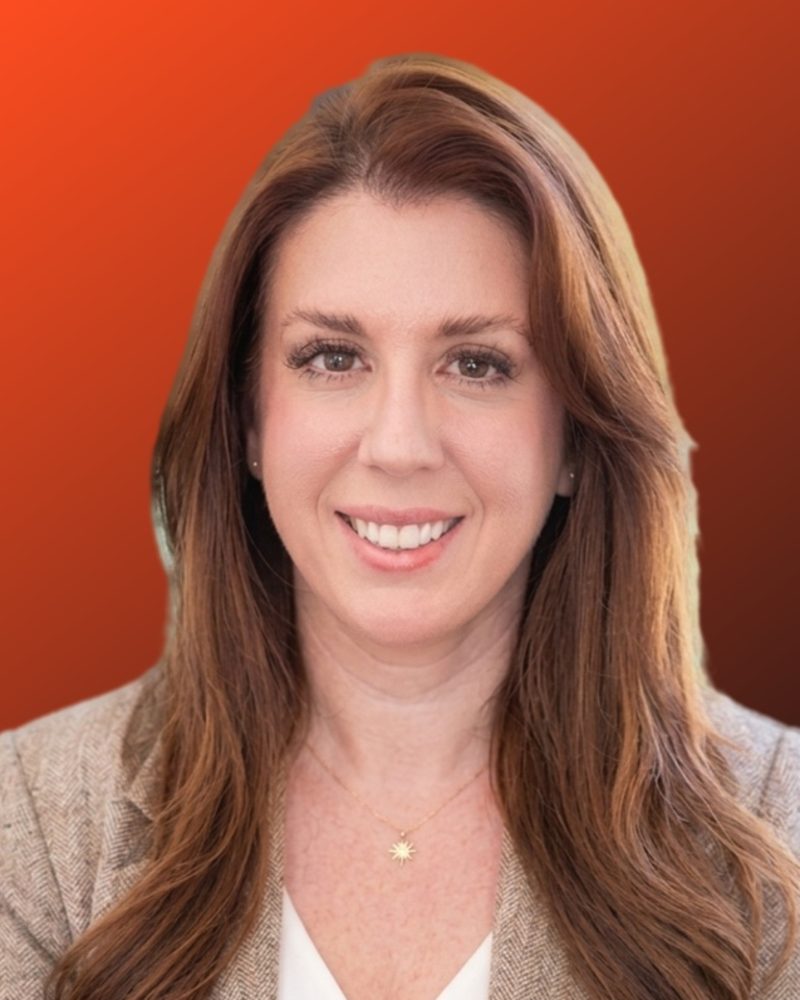
Portrait of Ashley Stephens

Ashley Stephens

Founder, AI + Product Strategy

Over a decade inside Las Vegas gaming and hospitality, building product, data and AI for operators who have to run the floor tomorrow. Works in the middle, between the executives setting the vision and the operations, technology and vendor teams who make it work.

Portrait of Hemash Bhatti

Hemash Bhatti

Partner, AI + Data

Twenty years taking data and AI from strategy into production systems across Fortune 500 organizations. Builds the operating model, the data foundations, and the working systems that make AI durable, and the number that keeps it funded.

We've run these functions inside these businesses, so this isn't a vendor's view of your operation.

A 30-minute conversation.

Founders cohort rate, discussed on the call.

Three questions we'll ask you:

  • Does this match your situation?
  • What would you build first?
  • What would make this a no?
Book a call